


Veterinary Practice Operations Diagnostic
Find the Constraint Before Investing in More People, Space, Technology, or Growth
A veterinary practice can be busy every day and still struggle to turn that activity into sustainable capacity, healthy economics, manageable workloads, and consistent client access.
When pressure builds, the apparent solution is often obvious: hire another veterinarian, add support staff, extend hours, replace the PIMS, introduce AI, raise fees, expand the facility, or spend more on marketing. Sometimes that's exactly what's needed. Sometimes the investment is aimed at the wrong problem.
Acumen's Veterinary Practice Operations Diagnostic examines how the business side of the practice is actually functioning, identifies where performance is being constrained, and helps leadership decide what to address before committing additional resources.
Based in London, Ontario. Serving veterinary practices across Canada.
Busy Doesn't Mean the Practice Is Operating at Its Best
A veterinary practice runs on several forms of capacity working together: veterinarian time aligned with technician and assistant capability, appointment structure aligned with room availability, client communication that supports timely decisions, technology that supports rather than interrupts the work, and management systems that give people enough authority and information to keep routine issues moving.
When one part of that system is constrained, the symptoms often appear somewhere else. A practice that seems short of veterinarians may actually be losing scarce DVM time to work that could be handled differently. A team that feels overloaded may be dealing with poor handoffs, interruptions, or unclear ownership rather than insufficient headcount. A clinic looking for more clients may already have demand that it cannot efficiently convert into appointments or completed care. A practice considering a larger facility may need to determine whether the real constraint is physical space or the way current rooms, people, and schedules interact.
The purpose of the diagnostic is to separate those visible symptoms from the underlying operating constraint and identify what is actually producing the pressure.
What the Diagnostic Looks At
The review is shaped around the business question facing the practice. Acumen doesn't assume every clinic needs the same analysis or the same solution. Depending on scope, the diagnostic may examine:
Start With the Decision, Not the Investment
Many practices arrive at a decision point with a solution already in mind: recruit a DVM, add staff, extend hours, expand space, replace the PIMS, introduce AI, raise fees, spend more on client acquisition, hire a practice manager, or open a second location.
These may all be reasonable options, but they don't solve the same underlying problems. Adding staff doesn't correct poor role utilization. More rooms don't eliminate workflow bottlenecks. A new PIMS doesn't automatically repair a fragmented process. More marketing doesn't create capacity to serve additional demand. Higher fees don't necessarily solve weak economic conversion.
The diagnostic starts by asking what decision the practice is trying to make and what evidence should support it.
Four Investment Questions Worth Testing First
Before you recruit
Is the practice genuinely short of professional capacity, or is existing capacity being consumed by role allocation, scheduling, interruptions, or administrative work?
Before you replace systems or add AI
Is the technology actually the problem, or does the practice need clearer workflows and process redesign first?
Before you expand the facility
Is physical space the binding constraint, or are existing rooms limited by layout, scheduling, or patient flow?
Before you increase marketing
Does the practice need more demand, or would new inquiries simply enter a system already losing opportunities elsewhere?
Capacity Is More Than Headcount
The most common operating question in veterinary practices is whether more people are needed. Headcount is only part of the answer. Productive capacity is also shaped by where veterinarian time goes, how RVTs and assistants are deployed, appointment configuration, room and equipment availability, administrative workload, interruptions, and management coordination.
Resources available to the practice are not the same as productive capacity produced by the practice.
A consistently full schedule may reflect a genuine structural shortage, or capacity may be getting lost somewhere inside the operating model. The diagnostic helps determine which situation the practice is actually facing.
How We Approach the Diagnostic
-
1. Establish the Decision Context
We begin with why you're seeking help: what's changing, what's creating pressure, what decision leadership is considering, and what a better outcome would look like. We also clarify owner priorities and the scope of the engagement.
-
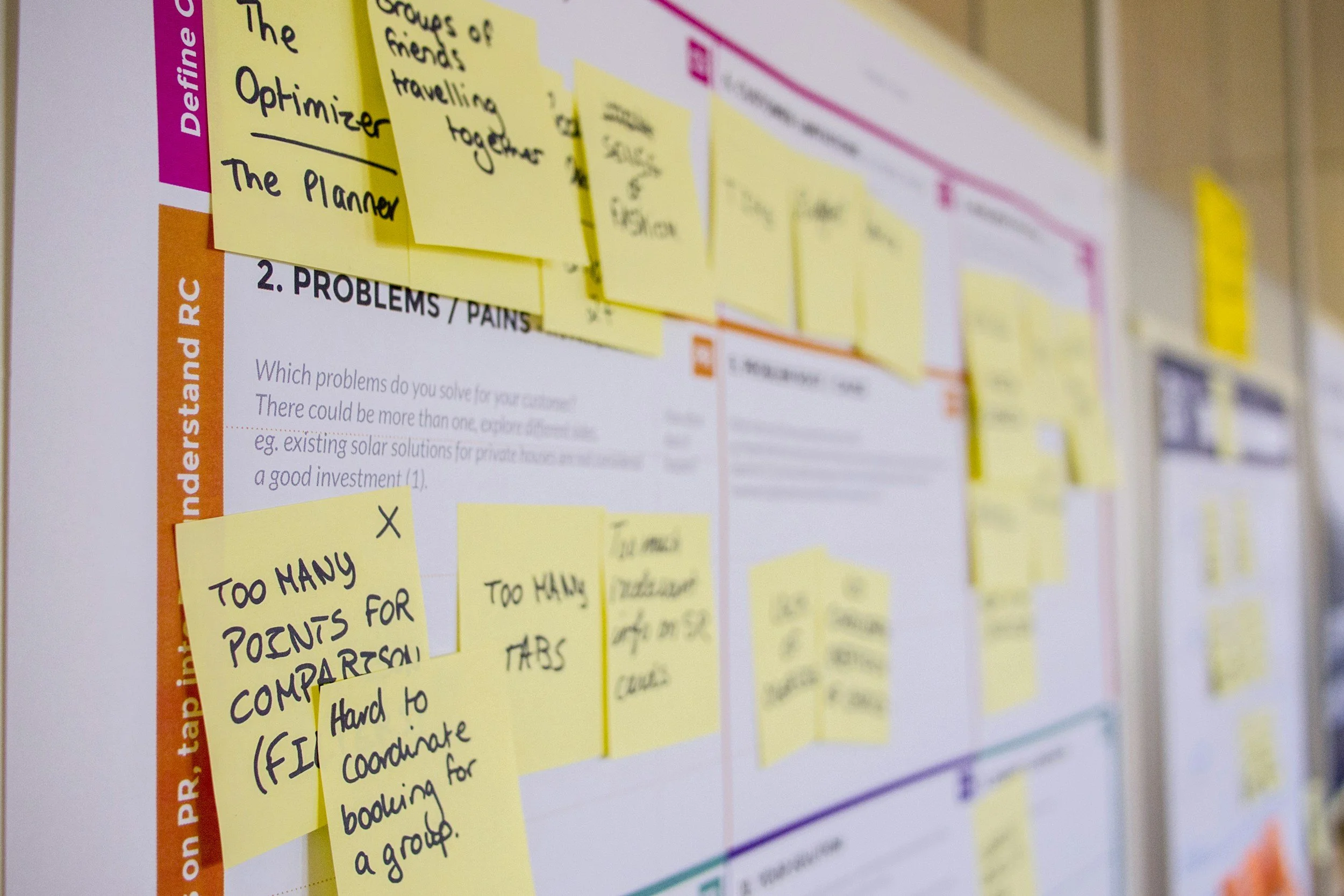
2. Trace How the Practice Is Actually Operating
We review the evidence relevant to the problem, including business data, workflows, systems, and perspectives from different roles, to see where resources, demand, information, or management capability are failing to convert into results.
-
3. Convert Findings Into Choices
The output isn't a catalogue of everything the practice could improve. We identify the most material issues, their likely mechanisms, the choices available to leadership, and the sequence in which action makes sense. Some interventions deserve immediate attention. Others depend on prior changes. Some may not be justified at all.
What Decisions Can the Diagnostic Help You Make?
-
Should we add another veterinarian?
Genuine shortage vs. capacity that can be recovered first.
-
Are we using the team effectively?
How work is allocated across roles.
-
Where is the schedule breaking down?
Appointment design, rooms, handoffs, or another bottleneck.
-
Should we change the PIMS or introduce AI?
Business problem, workflow fit, and implementation readiness.
-
Are we actually short of demand?
Market demand vs. capture, conversion, or retention.
-
Are we ready to expand?
Whether the current practice is stable and repeatable enough first.
-
Why is the owner still involved in everything?
Where decisions and knowledge are concentrated.
-
What's driving the financial result?
How activity, pricing, labour, and costs interact.
What You Receive
The exact deliverables are confirmed at scoping, but the diagnostic is generally built around four outputs.
-
Diagnostic Report
A structured assessment of the business and operating issues examined, including the most important constraints and their contributing factors.
-
Executive Summary
A leadership-level view of the findings that matter most and the decisions they create.
-
Prioritized Roadmap
A sequenced set of actions showing what to address first, what depends on other changes, and what can be deferred.
-
Findings & Strategy Session
A working session with Acumen to review the analysis and clarify next steps.
A Diagnostic Is Not a Commitment to a Larger Project
The value is the clarity it creates. Some findings can be addressed internally. Some may lead to a focused improvement project. Others may require a specialist rather than Acumen.
Depending on what's identified, follow-on work could involve workflow redesign, administrative SOPs, team structure, scheduling changes, technology evaluation, automation or AI, or growth planning. Any follow-on work would be scoped separately.
The diagnostic remains useful even if you implement the recommendations internally.
Looking for broader veterinary business consulting support?

Who This Is Designed For
This service is built for independent veterinary practices and animal hospitals facing a meaningful operating or strategic decision where the underlying cause isn't yet clear.
Typical situations include:
A practice that's busy but still feels capacity-constrained
Owners questioning whether another veterinarian or support role is needed
Recurring pressure on DVM or team workload
Disappointing financial performance despite strong activity
Persistent scheduling or workflow problems
Uncertainty about whether technology is helping or creating more work
Consideration of a PIMS replacement, automation, or AI
High dependence on the owner or a small number of key people
Planned expansion or a second location
Difficulty turning client demand into timely access or completed care
The service is less about practice size than the significance of the decision being made.
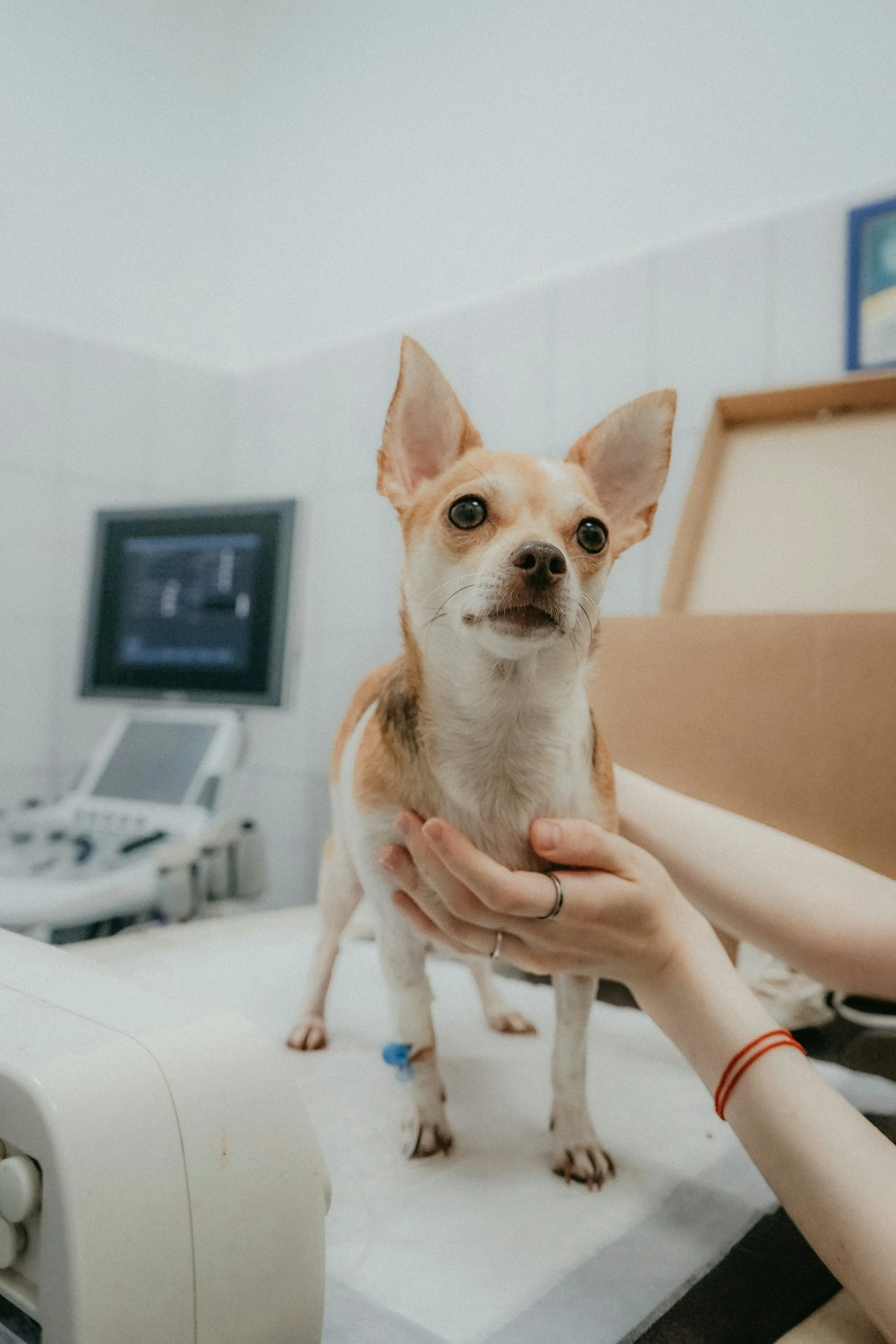
Business-Side Advisory for Veterinary Practices
Veterinary medicine operates in a regulated professional environment. This diagnostic focuses on the business, management, administrative, systems, workflow, capacity, and implementation side of the practice.
Acumen does not provide veterinary medical advice, determine clinical appropriateness or standard of care, assess clinical competence, conduct a clinical quality audit, provide regulatory compliance certification, or offer legal, accounting, tax, privacy, or cybersecurity opinions.
Where a recommendation intersects with regulated clinical, legal, or compliance matters, the applicable requirements should be established by the appropriate qualified professional. Acumen can then support the business-side translation of those requirements into workflows, systems, and implementation plans.
Frequently Asked Questions About the Veterinary Practice Operations Diagnostic
-
No. The engagement examines the business and operating side of the practice, not clinical decisions, quality of care, professional competence, or regulatory compliance.
-
That's a common reason to start here. You don't need to diagnose the cause before contacting Acumen. That's what the engagement is designed to help determine.
-
Not necessarily. Similar symptoms can result from role allocation, scheduling, room constraints, workflow, or how existing capacity is used. We treat recruitment as a possible solution, not an automatic conclusion.
-
Yes, from a business and operational perspective. We can examine what problems the current system creates, what the practice needs, and whether replacement, reconfiguration, or integration is the right move. Vendor, technical, and compliance requirements may need specialist input.
-
The first question isn't whether the practice could use AI, but whether AI is the right intervention for the specific workflow problem. We assess business use cases, workflow fit, and implementation readiness.
-
Yes. We can help identify whether the current practice has the operational, management, and economic foundation to support additional scale. A separate feasibility study or financial model may be needed depending on the decision.
-
Where the source and comparison are meaningful, yes. Benchmarks provide context, not universal targets.
-
We identify the boundary rather than stretching it into a recommendation we're not qualified to make, and point you to the appropriate professional.
Related Services



Make the Next Investment Against the Right Constraint
Recruitment, technology, expansion, and marketing all consume money, management attention, and organizational capacity. The question isn't whether an initiative could help. It's whether it addresses the constraint actually limiting the practice right now.
The Veterinary Practice Operations Diagnostic gives owners and leadership teams a structured way to examine the operating system, clarify the real driver, and make the next decision with better evidence.