


Business Consulting in Oshawa, Ontario
Helping Oshawa businesses strengthen strategy, operations, financial visibility, and execution to support more consistent and sustainable growth.
Growth and Operational Realities in Oshawa
Oshawa continues to evolve from its traditional industrial base into a more diversified business economy, with significant activity across advanced manufacturing, health and biosciences, energy, transportation and logistics, technology, professional services, and other sectors. The city’s economic development strategy also emphasizes diversification, innovation, trade, and investment as Oshawa prepares for future growth.
For growing businesses, however, greater opportunity often introduces more moving parts.
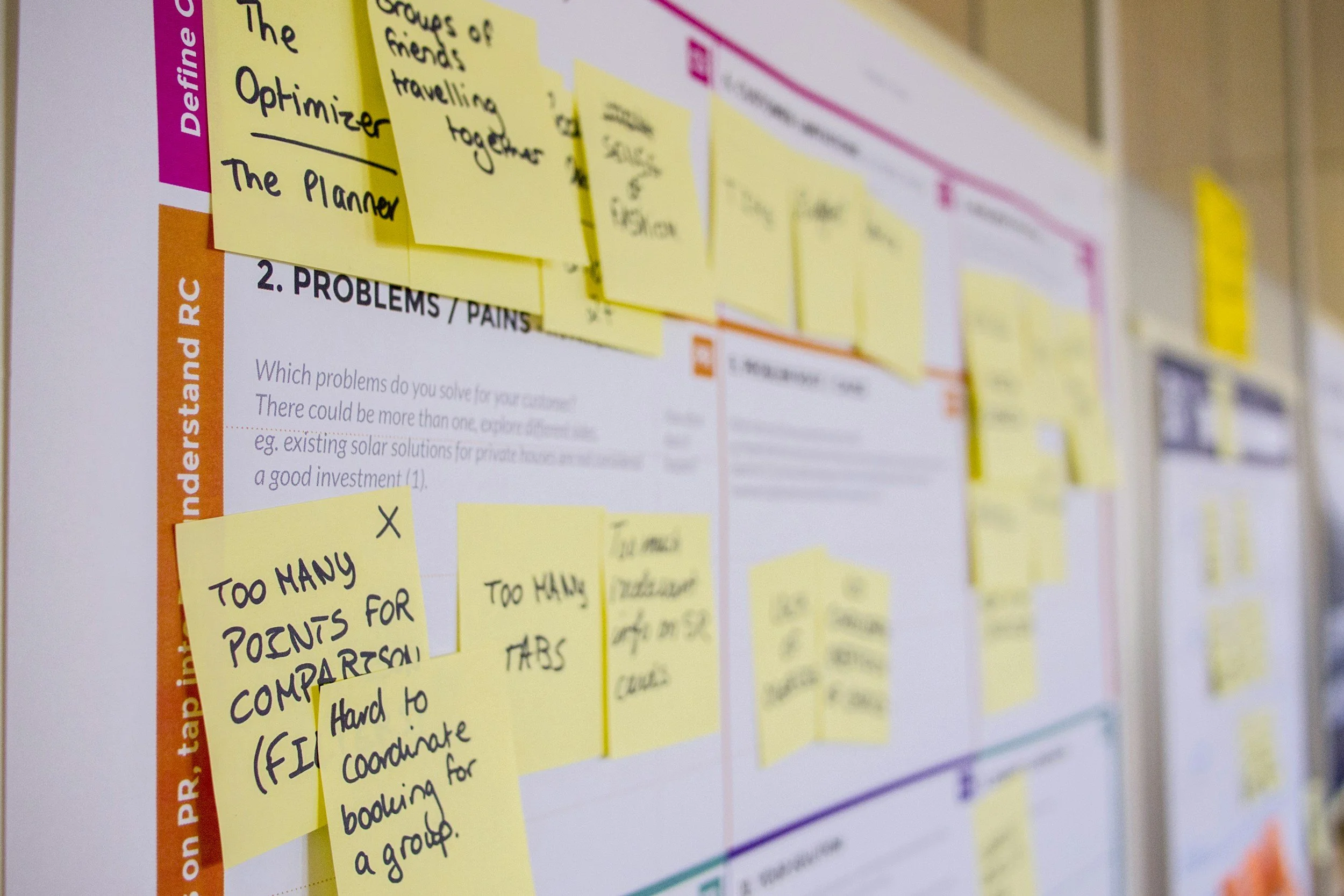
As customers, employees, responsibilities, systems, and operational demands increase, decisions that were once made informally become harder to coordinate. Strategy may move in one direction while day-to-day operations respond to another. Financial information may exist without providing enough visibility for management decisions. Teams may become busy without being equally clear about priorities.
The result is not always one obvious problem. Instead, several parts of the business can gradually become less aligned.
Acumen Business Consulting helps Oshawa businesses identify where this misalignment is creating pressure and strengthen the strategy, operations, processes, systems, financial visibility, and management structure required for more consistent growth.

How Acumen Supports Oshawa Businesses
Businesses rarely experience strategy, operations, people, financial performance, and systems as completely separate issues.
A growth problem may involve capacity. A margin problem may originate in inefficient delivery. A staffing issue may reflect unclear responsibilities. A sales opportunity may create operational pressure the business is not prepared to absorb.
Acumen helps identify how these issues are connected and determine which improvements are most likely to strengthen overall business performance.
Business Strategy and Planning
Clarifying priorities, evaluating opportunities, developing business plans, testing assumptions, conducting market research, and translating business objectives into practical action.
Operations and Process Improvement
Identifying bottlenecks, inefficient handoffs, duplicated work, inconsistent processes, and operational issues affecting productivity, capacity, service delivery, or execution.
Workflow Design and SOP Development
Creating clearer workflows, responsibilities, procedures, and documented ways of working that improve consistency and reduce unnecessary dependence on informal knowledge.
Financial Visibility and Performance Planning
Improving the business information used for management decisions by clarifying relevant assumptions, performance indicators, operational drivers, margins, priorities, and areas where management needs better visibility.
Growth and Capacity Planning
Assessing whether the business has the people, processes, systems, management structure, and operational capacity required to support additional customers, projects, services, or expansion.
Management Structure and Accountability
Improving role clarity, accountability, decision-making, management visibility, and areas where too many decisions continue to depend on the owner or a small number of key people.
Digital Transformation and Business Systems
Evaluating technology, automation, AI, integrations, and business systems based on actual business requirements and the visibility, efficiency, or execution improvements they are expected to create.
Implementation and Ongoing Advisory Support
Helping translate agreed priorities into practical changes, documentation, workflows, systems, management practices, and execution, with ongoing advisory support where appropriate to the engagement.

Common Growth and Operational Challenges for Oshawa Businesses
Growth can put pressure on several parts of a business at the same time.
Common situations can include:
Too many strategic and operational decisions continuing to depend on the owner
Limited visibility into financial performance, margins, capacity, or priorities
Sales activity becoming disconnected from operational or delivery capacity
Teams becoming busier without equally clear responsibilities or priorities
Processes being understood informally rather than documented consistently
Different employees or departments executing similar work differently
Management spending increasing amounts of time resolving day-to-day issues
Technology or systems not providing the information needed for effective decisions
Growth creating additional complexity without equivalent improvements in management structure
Strategic priorities being displaced by immediate operational demands
Revenue increasing without corresponding improvements in efficiency or management leverage
The right response depends on what is causing the pressure.
Hiring additional employees will not necessarily solve unclear responsibilities. More sales can make an existing capacity problem worse. New software will not correct a poorly designed process. Better financial reports alone will not improve performance if management cannot translate the information into action.
The first objective is therefore to identify where the business is becoming misaligned and which constraints are having the greatest impact on overall performance.
Keeping the Business Aligned as It Grows
In a smaller organization, the owner can often maintain alignment personally.
They know what customers need, what employees are working on, where money is being spent, what problems are emerging, and which priorities matter most.
That becomes increasingly difficult as the business grows.
More employees, customers, projects, systems, and decisions create distance between strategy and day-to-day execution. Sales may pursue opportunities without full visibility into capacity. Operations may solve immediate delivery problems without understanding longer-term priorities. Management may receive financial information after the decisions that created the results have already been made.
The challenge is not simply that the business has become larger.
It is that strategy, operations, financial visibility, people, and execution now need to remain aligned without depending on the owner to connect everything personally.
The objective is therefore to create enough structure, visibility, accountability, and process discipline that different parts of the business can work toward the same priorities and management can make better decisions before problems become more difficult to correct.
Our Consulting Approach
We take a business-wide but practical approach.
We start by understanding the underlying problem rather than assuming that the most visible symptom is the issue that needs to be solved.
Depending on the situation, this may involve examining strategy, financial and operational information, workflows, responsibilities, management structure, capacity, systems, customer delivery, or the way different parts of the business interact.
From there, we identify where misalignment or constraints are having the greatest business impact and prioritize improvements based on their potential value, practical feasibility, available resources, and the organization’s ability to execute them.
The appropriate recommendation may involve improving a process, clarifying responsibilities, strengthening financial or management visibility, documenting workflows, improving capacity planning, implementing a business system, or deciding that a proposed growth initiative should not yet be pursued.
Where implementation is included in the engagement, Acumen can remain involved to help translate recommendations into practical changes, documentation, systems, processes, and execution.
Our Service Process
Why Work With Acumen
Business problems rarely fit neatly within one consulting category.
A growth challenge may involve strategy, operations, financial assumptions, workflows, people, technology, management structure, or several of these areas at the same time. Acumen’s cross-functional consulting approach allows us to examine how these parts of the business interact rather than addressing each symptom independently.
Our work is designed for business owners and management teams that want practical recommendations they can realistically implement—not simply a theoretical framework or report.
Acumen Business Consulting Inc. is a founder-led consulting firm based in London, Ontario. We work with businesses in Oshawa and across Canada through remote consulting, planning, documentation, advisory, and implementation support. When a project benefits from direct observation, workshops, operational reviews, or in-person collaboration, on-site client visits can also be arranged.
Frequently Asked Questions About Business Consulting in Oshawa
-
No. Acumen Business Consulting Inc. is based in London, Ontario. We work with Oshawa businesses through remote consulting, planning, documentation, advisory, and implementation support. When a project benefits from an on-site workshop, operational review, or direct collaboration, travel to Oshawa can also be arranged.
-
Acumen primarily supports small and mid-sized businesses, owner-led companies, professional service firms, startups, and growing organizations facing strategic, operational, process, financial-visibility, systems, capacity, or growth challenges.
The appropriate fit depends more on the business problem and required scope than on industry alone.
-
Yes. This is often where a cross-functional assessment is particularly useful. Acumen can examine how strategy, operations, workflows, responsibilities, financial visibility, systems, capacity, and management structure interact to identify the underlying constraints rather than treating each symptom separately.
-
Depending on the cause, yes. This may involve clarifying responsibilities, documenting workflows and SOPs, improving management information, strengthening accountability, redesigning processes, or implementing systems that allow more decisions and work to be handled consistently without requiring direct owner involvement.
-
Yes, where implementation is included in the agreed scope. Depending on the engagement, this may include documentation, workflow development, systems work, digital implementation support, project coordination, or other defined deliverables.
Related Services




Build a More Aligned Business for Growth in Oshawa
If growth is creating pressure across strategy, operations, financial visibility, processes, systems, or management, Acumen can help identify where the business is becoming misaligned and determine the right next step.