


Business Consulting in St. Catharines, Ontario
Helping St. Catharines businesses strengthen strategy, improve operations, and build the processes, systems, and management structure needed for more focused and sustainable growth.
Building a Stronger Business in St. Catharines’ Diverse Economy
St. Catharines has a diverse business economy that includes manufacturing, healthcare, professional and scientific services, tourism, food and beverage, technology-related activities, retail, and other businesses serving customers across Niagara and beyond. The City’s economic priorities also emphasize entrepreneurship, business growth, tourism, and continued economic diversification.
A diverse economy can create more than one path for a business to grow.
A company may have opportunities to expand its services, reach new customer segments, invest in technology, pursue financing, enter neighbouring markets, improve its digital presence, or add operational capacity.
The challenge is that smaller organizations rarely have unlimited capital, people, management attention, or execution capacity.
Trying to pursue too many opportunities at the same time can spread resources across initiatives that are individually attractive but collectively difficult to execute.
Acumen Business Consulting helps St. Catharines businesses clarify priorities and strengthen the strategy, operations, processes, systems, capacity, and management structure needed to support the opportunities that matter most.

How Acumen Supports St. Catharines Businesses
In a diverse market, the difficult decision is often not finding another possible growth initiative. It is deciding which opportunity deserves limited capital, management attention, and execution capacity.
Acumen helps St. Catharines businesses compare opportunities, test the assumptions behind them, and prepare the organization to pursue the priorities with the strongest strategic fit and business value.
Opportunity Evaluation and Strategic Prioritization
Comparing potential growth initiatives based on strategic fit, expected business value, market evidence, required investment, organizational readiness, execution risk, and the effect on existing operations.
Customer and Market Focus
Clarifying which customer segments, services, markets, or commercial opportunities offer the strongest fit rather than spreading resources across too many possible directions.
Resource and Capacity Allocation
Assessing how people, management attention, operational capacity, capital, and other resources should be allocated across current operations and new initiatives.
Business Case and Financial Readiness
Strengthening the assumptions, projections, investment logic, and supporting documentation behind an initiative before financing is pursued or significant capital is committed.
Operational Preparation for Priority Initiatives
Improving workflows, responsibilities, processes, documentation, and capacity where the chosen direction requires the business to operate differently or handle additional complexity.
Systems and Digital Enablement
Evaluating technology, automation, AI, integrations, and business systems based on the specific strategic or operational priority they are expected to support rather than adopting technology in isolation.
Execution Planning and Implementation Support
Turning selected priorities into sequenced actions, responsibilities, implementation requirements, and practical changes while helping management avoid pursuing too many initiatives at the same time.

Common Growth and Resource Challenges for St. Catharines Businesses
Growing businesses often face several attractive priorities at the same time.
Common situations can include:
Too many growth opportunities competing for limited capital and management attention
Difficulty deciding which customer segments, services, or initiatives deserve priority
Sales or marketing activity creating demand the business may not have capacity to deliver consistently
Owners remaining involved in too many routine decisions
Processes being understood informally rather than documented consistently
Limited visibility into workload, capacity, costs, priorities, or business performance
Funding or financing being considered before the underlying business case is sufficiently developed
Technology being introduced before the process it is supposed to improve is clearly understood
Different employees or teams completing similar work in different ways
Growth adding complexity without equivalent improvements in management structure
Immediate operational issues repeatedly displacing longer-term priorities
The right response depends on the underlying constraint.
More marketing will not necessarily help if the business already has a delivery-capacity problem. Hiring additional employees will not fix unclear workflows. Funding will not make every investment strategically attractive. New technology can add complexity rather than reduce it when the underlying process has not been designed properly.
The first objective is therefore to determine which problems and opportunities actually deserve the business’s limited resources.
Turning Diverse Opportunities Into Focused Growth
Growth does not require pursuing every available opportunity.
A business may identify several reasonable options at the same time: introduce a new service, enter another market, increase marketing, invest in equipment or technology, pursue financing, hire additional employees, or improve an existing part of the operation.
Each option may be attractive on its own.
But every initiative also competes for capital, time, capacity, and management attention.
As a result, one of the most important growth decisions is often not what the business can do, but what it should prioritize now and what should deliberately wait.
A stronger decision considers expected business value, strategic fit, required resources, operational readiness, execution risk, and the effect the initiative may have on existing customers and operations.
Once those priorities are clear, the business can strengthen the processes, systems, capacity, and management structure required to execute them effectively.
The objective is not to restrict growth. It is to concentrate resources on the opportunities that make the strongest business sense and give those initiatives a better chance of producing sustainable value.
Our Consulting Approach
We begin by defining the decision the business is actually facing: which opportunity should be pursued, which constraint is limiting progress, and what resources are realistically available.
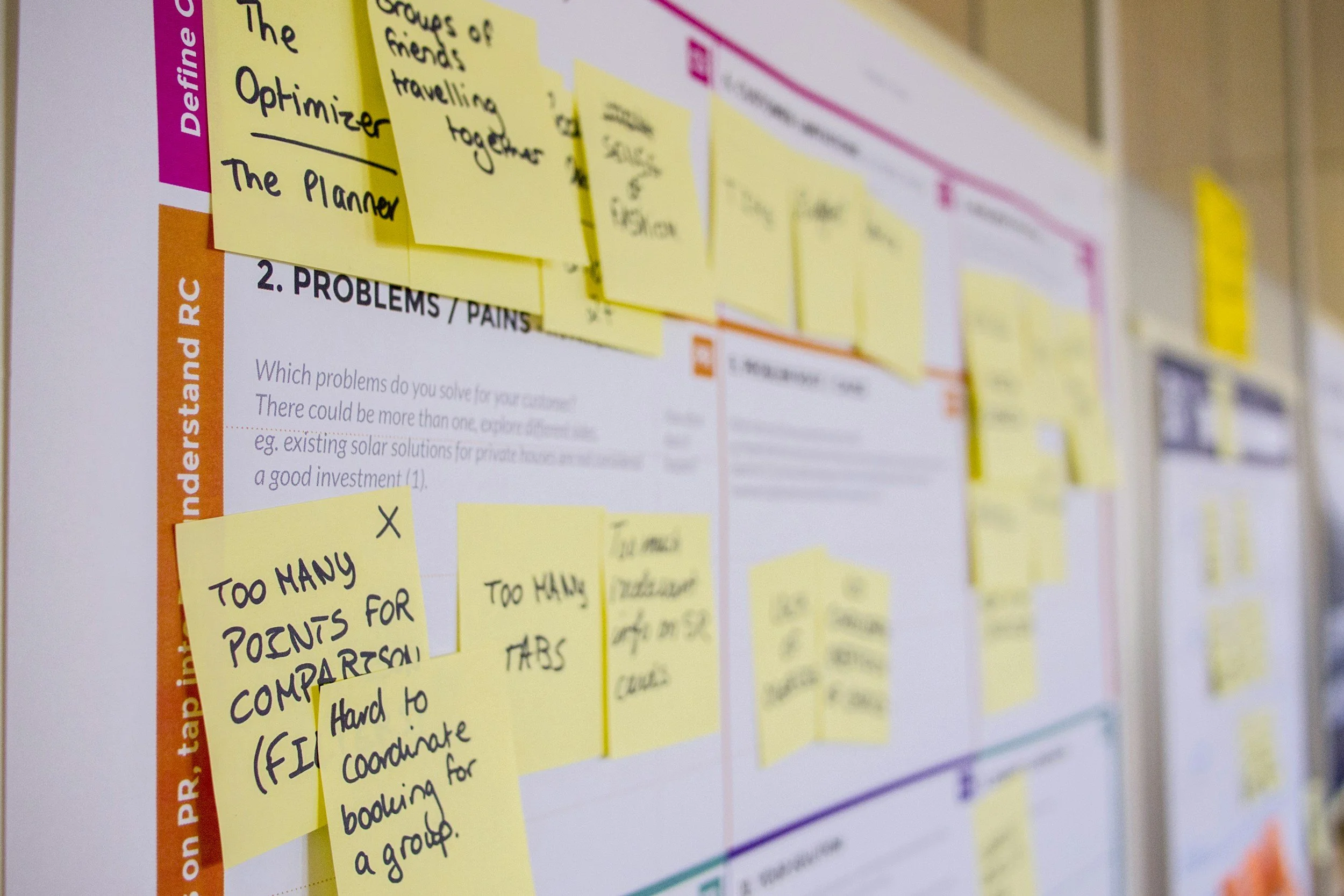
Rather than evaluating every initiative independently, we compare competing options across strategic fit, customer or market evidence, expected business value, financial requirements, operational readiness, management capacity, implementation risk, and the effect on the existing business.
This helps distinguish opportunities that are attractive in theory from those the organization is genuinely positioned to execute.
From there, we determine what should be prioritized now, what preparation may be required first, and what should deliberately wait. The recommendation may involve pursuing one growth initiative, strengthening a particular operating capability, building a stronger business case, reallocating resources, or deferring an opportunity until the business is better prepared.
Where implementation is included in the engagement, Acumen can help translate the selected priorities into practical plans, processes, documentation, systems, responsibilities, and execution.
Our Service Process
Why Work With Acumen
For a business with several credible paths forward, value often comes from making fewer decisions better—not from adding more initiatives.
Acumen helps owners and management teams compare opportunities across strategy, market assumptions, financial requirements, operations, systems, capacity, and execution before limited resources are committed.
This cross-functional perspective is particularly useful when the question is not simply, “Can we do this?” but, “Is this the right use of our capital, people, and management attention now?”
Our work focuses on practical prioritization and implementation so the chosen direction can create value without unnecessarily weakening the operations, customers, or commitments the business already has.
Acumen Business Consulting Inc. is a founder-led consulting firm based in London, Ontario. We work with businesses in St. Catharines and across Canada through remote consulting, planning, documentation, advisory, and implementation support. When a project benefits from direct observation, workshops, operational reviews, or in-person collaboration, on-site client visits can also be arranged.
Frequently Asked Questions About Business Consulting in St. Catharines
-
No. Acumen Business Consulting Inc. is based in London, Ontario. We work with St. Catharines businesses through remote consulting, planning, documentation, advisory, and implementation support. When a project benefits from an on-site workshop, operational review, or direct collaboration, travel to St. Catharines can also be arranged.
-
Acumen primarily supports small and mid-sized businesses, owner-led companies, professional service firms, startups, nonprofits, and growing organizations facing strategic, operational, process, systems, funding-readiness, capacity, or growth challenges.
The appropriate fit depends more on the business problem and required scope than on industry alone.
-
Yes. Depending on the situation, Acumen can help evaluate strategic fit, market assumptions, expected business value, financial considerations, capacity requirements, resource needs, and execution risks so management can make a more informed decision about where to focus.
-
Yes. Depending on the engagement, Acumen can help strengthen business cases, financial assumptions, projections, planning, supporting documentation, and the operational rationale behind a funding or financing initiative.
Approval decisions remain with the relevant lender, funder, or program administrator.
-
Yes, where implementation is included in the agreed scope. Depending on the engagement, this may include documentation, workflow development, systems work, digital implementation support, project coordination, or other defined deliverables.
Related Services




Build a Clearer Path to Growth in St. Catharines
If competing opportunities are creating questions about strategy, resources, operations, capacity, systems, or investment priorities, Acumen can help identify where the business should focus and determine the right next step.